
Norbert
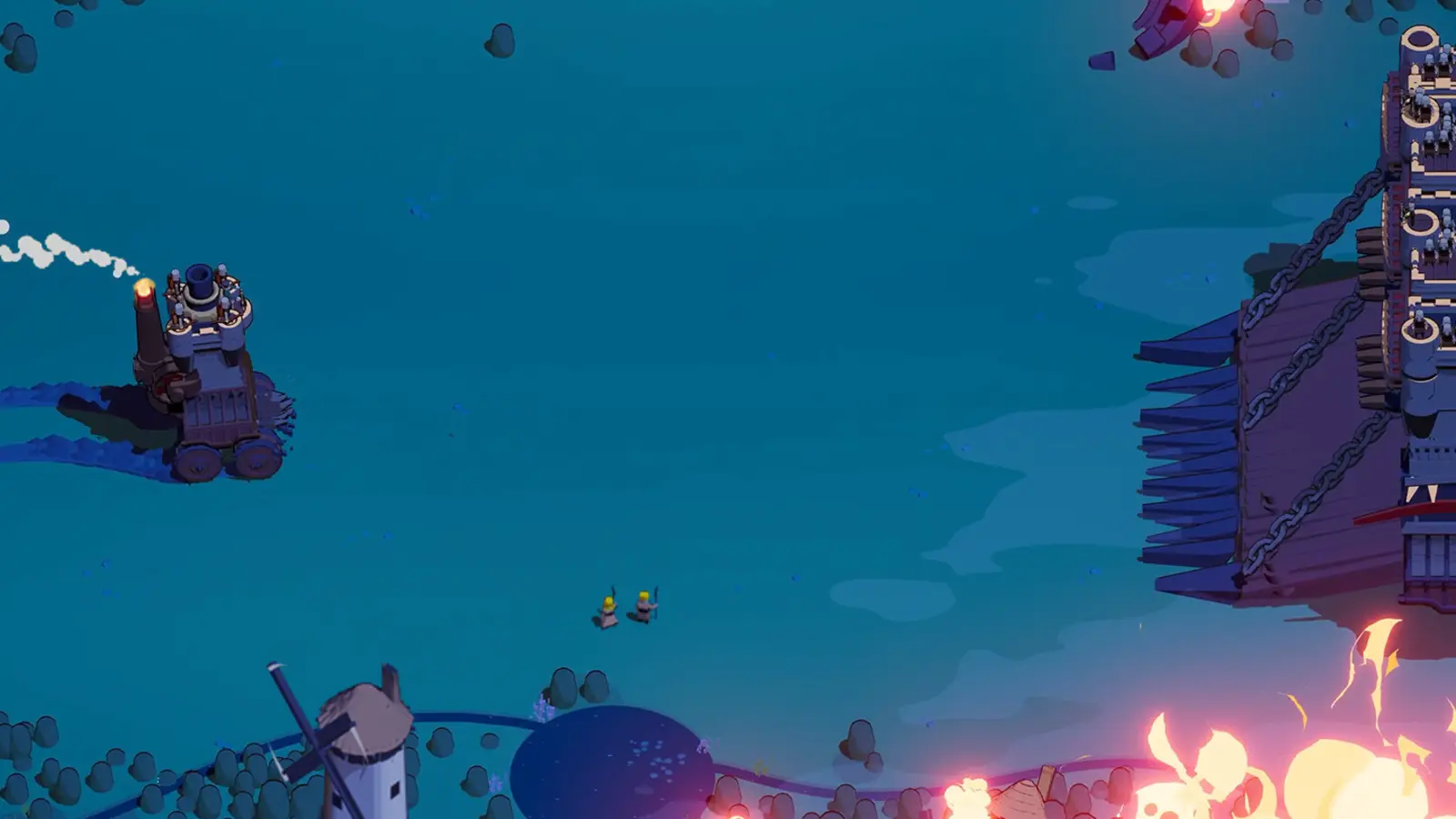
Norbert is the captain selected for the recorded Waving Fields arrow-and-turret attempt. The player considers the available choices and returns to a familiar captain while trying Turret Layer alongside an arrow plan. This supports using a known captain when learning unfamiliar equipment. It does not establish a hidden arrow bonus, a universal starting advantage, or a complete list of Norbert's statistics. For a similar experiment, keep the captain familiar and focus your attention on what the new module actually does. Notice whether its attacks cover the direction you need, whether its active deployment is useful while moving, and which upgrades improve the run. If the result improves, repeat the comparison before attributing every difference to the captain. The module choices, selections during the attempt, and your handling of the stage can also change the outcome.
Reviewed:
The best starting captain is not necessarily the most specialized one you can afford. A captain should support the module choices available to your account without adding a penalty you cannot yet manage.
The recorded arrow-and-turret run chooses Norbert. The summon run chooses Empress. Those are examples of matching a captain to a plan, not proof that either wins every stage with every weapon.
Keep cosmetic and progression goals separate
Sire Jonah's techno identity is a different reason to choose a captain than solving a weak boss build. The Sire Jonah guide identifies the soundtrack connection without inventing a combat advantage.
If a module purchase is what makes your next setup usable, consider finishing it before buying a captain for a different playstyle. The best loadout guide connects captain, crew and chassis choices.
Start with the reason the previous attempt failed
The most useful captain comparison begins with a concrete problem. If you keep losing while trying to turn away from a projectile lane, a captain whose drawback affects movement or escape deserves careful consideration. If the castle survives ordinary enemies but struggles to damage a boss, inspect the attacks actually landing before deciding a new captain is the answer. These problems can appear in the same run, but they call for different changes.
Do not infer the cause from the final screen alone. A low result can follow missed active attacks, poor resource collection, an unfamiliar chassis, or a selection sequence that never produced the planned core. None of those observations automatically proves the captain was weak. Look at the encounter that changed the run: what was ready, what hit, and where you lost control of the situation.
This is why a familiar starting choice is useful while learning. Keeping the captain stable lets you concentrate on a new module's direction, active ability, and upgrades. Once you understand that equipment, a specialist becomes easier to judge. The comparison then asks whether the captain's benefit and drawback improve a known setup, rather than trying to learn several unfamiliar systems at once.
Match the captain to attacks you will actually use
A specialist's headline only helps when the run supplies the relevant opportunity. The Empress example has barracks and Companion behind its friendly-unit plan. Huntress's automatic emphasis matters to the automatic attacks that are actually firing. A cannon-oriented choice belongs with a deliberate cannon setup. Selecting the captain first and hoping suitable equipment eventually appears adds uncertainty that should be acknowledged before the run begins.
Check what you can equip at the start and what you would need to find later. Those are different levels of certainty. If a particular module is essential, make sure it is owned and compatible with the chassis, then use the loadout's available selection options to secure it when possible. A captain bonus does not override missing ownership or create a slot that the vehicle lacks.
Also plan for the equipment that might arrive instead. If the desired module never appears, decide whether the captain still offers a workable direction with the current castle. A specialist can feel worse when the rest of the planned setup is missing, without that proving the specialist is universally poor. Judge the whole combination and the actual choices available to your account.
Read a drawback as part of the playstyle
A drawback is relevant even when the benefit matches your favorite weapon. Longer active cooldowns change the interval between useful bursts. A penalty involving incoming cannon damage changes the importance of avoiding those projectiles. A movement concern changes how comfortably you can collect resources and reposition. These effects should be connected to the actions you repeat during an attempt.
For a first clear, ask whether the drawback worsens the failure you are already struggling to solve. For an experiment, you may accept a more demanding trade because learning that playstyle is the objective. Those are both legitimate choices. The important distinction is whether you chose the trade deliberately, rather than assuming a purchased captain must make every part of the run easier.
Use the current description for the exact amount. The official 0.9.10 changes show why this matters: Huntress, Patchy, Tankbert, and Duelist each had a drawback adjusted. A description copied from an earlier clip can exaggerate the present penalty. The fact that a penalty was reduced also does not mean it disappeared or that a complete performance ranking follows from the change.
Compare a first clear with an Overtime objective
The Empress summon attempt has two distinct results. It succeeds through the boss sequence, then encounters a harder survival problem in Overtime. The captain and summon plan can support one objective while still needing a better answer to movement, recovery, or incoming artillery for the next.
Define your intended stopping point before comparing choices. If you want a first clear, the relevant question is whether the setup helps you reach and survive that sequence. If you want a longer Overtime attempt, consider what remains after the boss clear: whether health recovers, whether the castle can keep moving, and whether the attack plan functions under continuing pressure.
Do not transfer a long result from another captain without comparing the surrounding conditions. The recorded Norbert arrow-and-turret run and the Empress summon run use different equipment and circumstances. They show possible directions, not a controlled head-to-head test. The useful lesson is how each player assembles a plan and where its limitation appears.
Other captain changes worth checking
Two additional names appear in the official 0.9.10 adjustments without a complete comparative build being established here. Tankbert's Nitro regeneration penalty changed from fifty percent slower to thirty percent slower. Duelist's extra damage taken while boosting changed from fifty percent to twenty percent. These are reductions to particular drawbacks, not complete character profiles.
For Tankbert, the relevant practical observation is whether Nitro is available when your escape route needs it. Do not read the change as a claim that normal movement speed increased or that every defensive statistic improved. For Duelist, examine situations where you take damage during a boost. A smaller penalty is not a statement that boosting grants immunity or makes contact with enemies safe.
These distinctions also prevent a naming mistake. Tankbert is a captain; Tankenburg is a vehicle with its own acquisition process. A vehicle unlock does not prove the captain was selected in a video. The arrow run discussed above explicitly selected Norbert, so its result cannot serve as an additional Tankbert performance test.
Make the next comparison small enough to understand
Keep the same familiar chassis and module direction when testing a captain change, as far as your available options allow. Pay attention to the first difficult encounter, the usefulness of active abilities, and the route you take to recover. Those observations can reveal a trade-off without pretending that one attempt measures a precise win-rate difference.
Afterward, distinguish preference from evidence. You may enjoy a music theme, a busier summon screen, or a more automatic playstyle. That is a valid reason to choose a captain, but it is different from claiming the choice performs best for every player. Conversely, an awkward first attempt with unfamiliar timing does not settle the captain's overall value.
Spend Silver when the choice advances the goal you actually want: a working next build, a new style to learn, or a character experience you want to try. The cards below summarize the documented directions and their limits. They deliberately leave unknown numerical profiles empty and do not present the small comparison set as the game's complete cast.
- Observed context
- Waving Fields; Turret Layer and arrow-focused plan
- Recommended use
- A familiar reference point while learning a different starting module
- Verified complete stat sheet
- Unverified

Choose a direction your equipment supports
This is a focused comparison of documented examples and trade-offs, not a complete roster or a numerical tier list. Begin with the equipment you own and the problem you want to solve. A new captain can change which attacks you emphasize or which hazards deserve extra care, but it does not automatically provide missing modules. Read the current selection text before spending Silver, especially when a recent balance change affects the drawback you are evaluating.

Empress
The recorded Empress route is built around Front Barracks, Side Barracks, and Companion, with friendly spawns central to the plan. The player also acknowledges a movement drawback and weighs Merchant against a healing crew. That combination makes the example useful for a player who already owns appropriate summon equipment and wants a deliberate army setup. It is not evidence that Empress improves every module upgrade or that friendly units eliminate the need to dodge. The attempt clears its boss sequence but struggles during Overtime, and the player later considers healing a better choice for extending that part of the run. Choose this direction when the equipment and objective suit it. Keep enough attention on movement, incoming artillery, and recovery to judge the whole attempt, rather than measuring success only by how many friendly units appear on screen.
Huntress
Huntress is described in the archived gameplay as favoring faster automatic attacks while making active abilities slower to return. The useful decision is whether that trade supports the attacks you actually rely on. A player who repeatedly needs an active burst to create room should pay close attention to the drawback, even when the automatic benefit sounds attractive. Hotfix 0.9.10 reduced her extra ability cooldown time from fifty percent to forty percent, so older descriptions should not be copied as an unchanged current stat sheet. That adjustment reduces a penalty; it does not remove the distinction between automatic and active play. Before buying or selecting her, read the current entry and identify which installed modules would benefit. Compare against a familiar setup on the same objective so that a different weapon, stage, or set of random upgrades does not masquerade as a captain-only result.

Patchy the Pirate
Patchy belongs in a deliberate cannon-focused comparison, with particular attention to incoming cannon damage. Hotfix 0.9.10 reduced the enemy cannon bonus damage associated with PatchyThePirate from fifty percent to twenty-five percent. The reduction makes older descriptions of the penalty outdated, but it does not justify ignoring enemy projectiles. When considering this direction, first make sure the modules you own can form the cannon setup you want. Then consider whether your usual failure involves taking the very attacks that the drawback concerns. If your broadside repeatedly misses because of the angle, another captain does not correct that positioning by itself. Practice the weapon's firing direction and establish a safe escape before interpreting the specialist choice as an answer to every weak run. The page does not present a controlled full-run Patchy ranking or invent the rest of his numerical profile.